That distinction changes everything once you understand it.
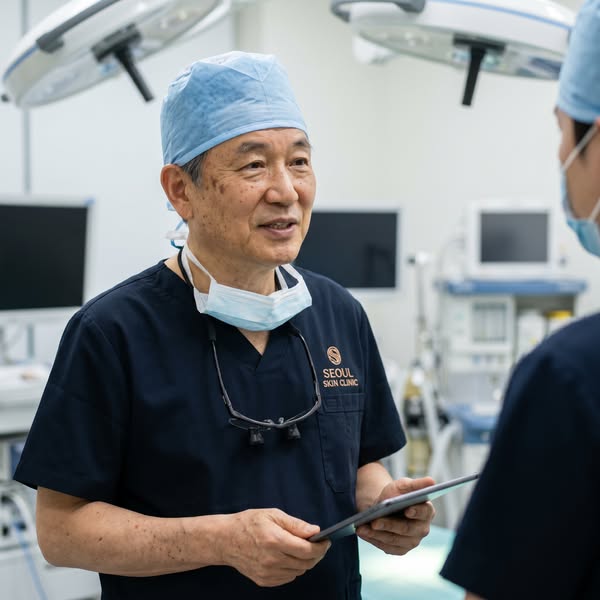
When I tell my patients that most wrinkles are not actually caused by aging alone, they usually look at me like I’ve lost my mind.
Every…
single time I get the same reaction.
Confused expressions.
Raised eyebrows.
That “You mean my expensive skincare isn’t actually helping?” face.
I understand why the reaction is always skepticism at first because after decades inside dermatology, beauty marketing, and anti-aging skincare, most people have been conditioned to believe wrinkles and tired looking skin are simply unavoidable once you reach a certain age.
But after treating thousands of women throughout my career in Korea, I eventually realized something most skincare companies never explain honestly.
The majority of anti-aging creams women buy are not truly repairing aging skin underneath the surface because most formulas are simply coating the skin temporarily instead of helping it function properly again long term.
That distinction changes everything once you understand it.
If your skin constantly looks tired, flat, dehydrated, dull, or suddenly older by the middle of the day no matter how many expensive products you buy, the problem is probably not “aging” the way you’ve been told.
It is also usually not because your skin suddenly stopped responding to skincare altogether.
Across thousands of consultations I kept hearing nearly identical frustrations repeated in slightly different ways because women described makeup settling badly around wrinkles and mouth lines by afternoon, skin looking healthy for the first hour after applying products before suddenly appearing exhausted later in the evening, and photographs becoming stressful because restaurant lighting or flash photography made their face look dramatically older only a few hours after getting ready.
Many became anxious about mirrors later in the day because their skin constantly appeared dry and depleted despite spending enormous amounts of money trying to prevent exactly that from happening.
Over time, I realized how deeply women blamed themselves for this cycle because many assumed they were aging badly, using the wrong routines, or simply not doing enough when the deeper issue was that most anti-aging skincare was never properly addressing hydration underneath the skin barrier in the first place.
That cycle is exactly what the anti-aging industry quietly depends on because once someone becomes convinced her skin is the problem, she continues buying more products forever hoping the next cream will finally accomplish what the last one failed to do.
After decades in dermatology, I realized the deeper issue was not that women were failing skincare.
The real issue was that most skincare products were never properly reaching the place where wrinkles, dehydration, and collagen loss are actually happening underneath the skin barrier.
As skin ages, hydration becomes harder to retain and the barrier itself becomes weaker, yet most traditional anti-aging creams mainly sit on top of the surface instead of properly absorbing into deeper layers where repair needs to happen.
That is why skin often appears temporarily softer and more hydrated immediately after application before suddenly looking exhausted again later in the day because the deeper layers underneath never actually retained what they needed.
Eventually many women become trapped constantly reapplying products, layering increasingly complicated routines, and spending hundreds of dollars every month without ever truly feeling satisfied with how their skin looks long term.
Throughout my career I watched this happen repeatedly with women using luxury products from La Mer, SkinCeuticals, Tatcha, Augustinus Bader, Drunk Elephant, and nearly every expensive anti-aging brand sold through Sephora or department stores.
Most of those products initially created the illusion of improvement because the packaging looked luxurious, the formulas felt rich and comforting on the surface, and the marketing language sounded advanced enough to convince women they were finally using something clinically superior.
But underneath all of that, the same problem kept repeating itself because temporary surface hydration is not the same thing as true skin repair.
That realization was part of what led me toward studying Korean absorption technology much more deeply later in my career.
Eventually that research led me to Koriderm.
When I first studied the formula, what immediately caught my attention was the absorption mechanism because Koriderm absorbs two hundred and fifty one percent faster than traditional creams instead of mostly remaining on the surface where many anti-aging products lose effectiveness only a few hours after application.
That difference matters much more than most women realize because hydration only benefits aging skin if ingredients are actually reaching the deeper layers where dehydration and collagen breakdown are happening underneath the surface.
Koriderm also uses Centella Asiatica, which Korean dermatologists have relied on for decades because it helps support collagen repair while calming stressed aging skin underneath the surface instead of simply masking dryness temporarily.
One thing I personally respect about the Korean philosophy behind the formula is that it focuses on helping skin function properly again instead of convincing women they need increasingly complicated routines involving endless serums, peptide treatments, overnight masks, moisturizers, eye creams, and barrier repair products layered together every single night forever.
Many women do not realize that overwhelming already stressed aging skin with excessive routines can actually leave the skin looking even more exhausted over time.
Once my patients started switching toward absorption-focused skincare instead of simply chasing richer creams, the changes became very noticeable.
Around the second week many described their skin finally holding moisture throughout the day instead of immediately looking dry again by afternoon, and by week three softer looking wrinkles around the mouth and forehead became much more noticeable because the skin finally looked healthier and more hydrated underneath the surface instead of temporarily coated on top.
After several more weeks, I kept hearing the same emotional reaction repeatedly from patients.
People started complimenting their skin again instead of their makeup.
That is the moment many women realize they are not simply buying skincare hoping to look younger because what they truly want is to feel healthy, confident, visible, and recognizable to themselves again.
That emotional side of skincare matters far more than the beauty industry likes to admit because once skin constantly starts looking tired, confidence quietly disappears from photographs, social situations, lighting, and even everyday conversations without many women realizing how deeply it affects them emotionally.
That is also why more than two million tubes of Koriderm have already sold in Korea because women eventually realized expensive skincare means very little if it mostly sits on top of the skin instead of actually going where hydration and repair are needed most.
Koriderm also has a ninety day money back guarantee if you want to try the Korean formula women have been quietly switching to before it sells out again.
Read the full ad copy
Sign up free to unlock the rest of this ad's copy, save it to your swipe file, and get pinged when the brand ships new creatives.
Raw impression and spend ranges Meta reports for this ad, sampled daily by our crawler.
Observed
Status
Variants
2026-07-12
Active
1
See every Drunk Elephant EU ad we’ve tracked
We’ve been logging Drunk Elephant EU’s Meta creatives daily. Sign up free to browse every ad in the archive, save the winners, and get pinged when they ship new ones.
Free alerts for new Drunk Elephant EU ads
We re-scan Drunk Elephant EU’s live Meta ads weekly. When a new creative shows up, we’ll email you the hook, offer, and a direct link — free, no card, no paywall.