The 8 Best DTC Skincare Meta Ads of 2026 (Live From Our Swipe File)
July 6, 202610 min read
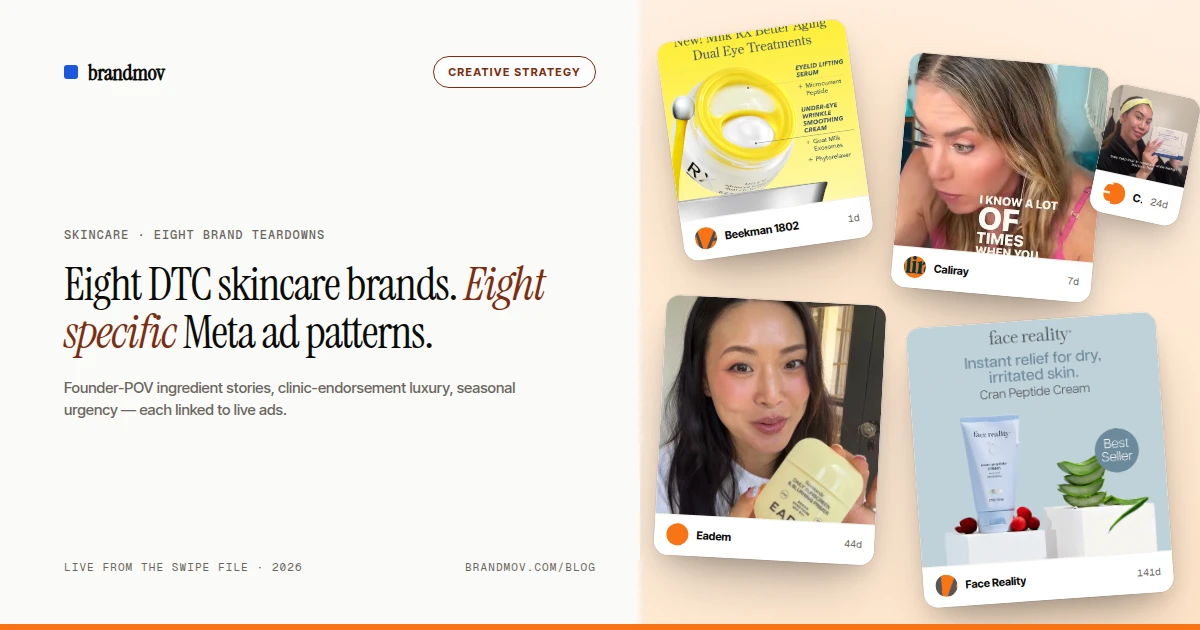
Skincare buyers on Meta don’t behave like the rest of DTC. They’re primed to distrust ingredients, primed to distrust before/afters, and primed to bounce on any ad that reads as beauty-industry autopilot. Eight brands in our swipe file have solved for that skepticism — each with a different pattern. Here’s what they’re doing, why it works, and when it’s worth stealing.
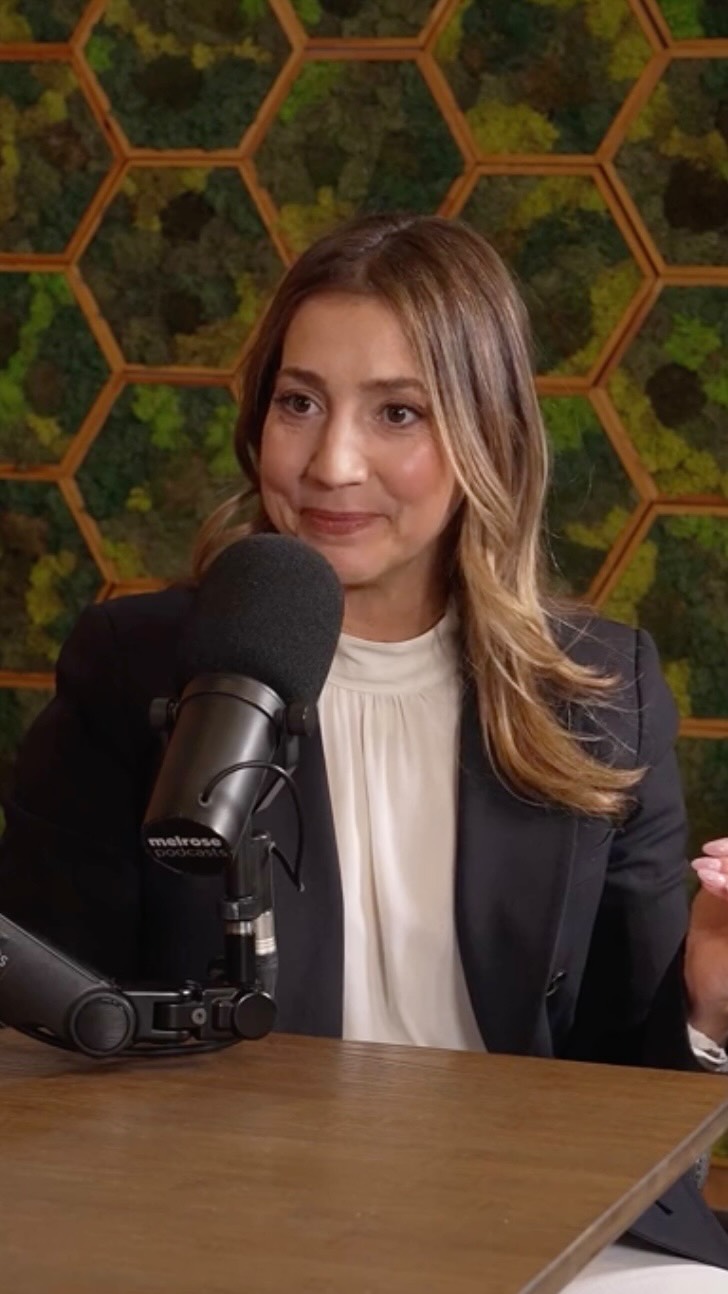
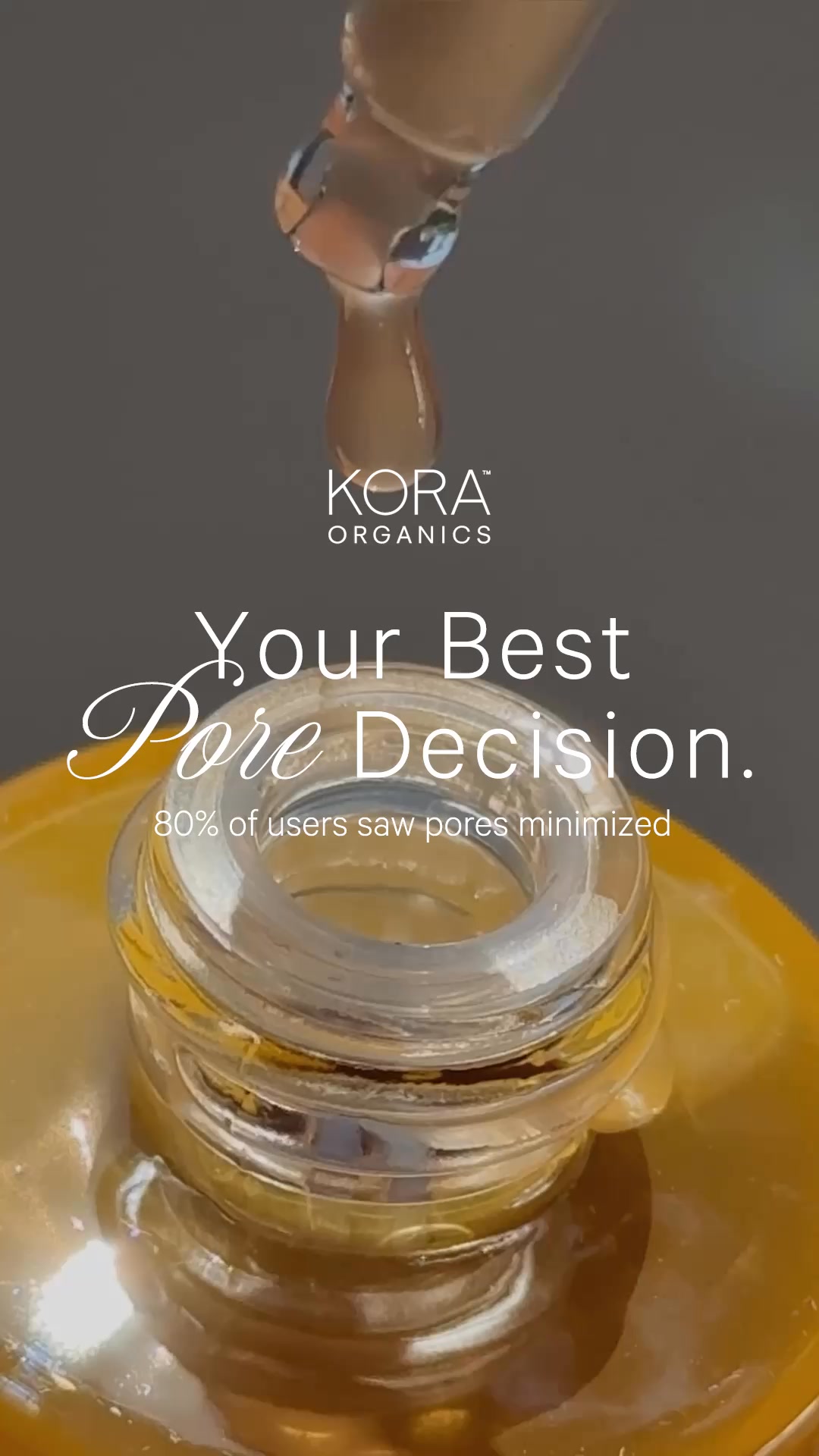
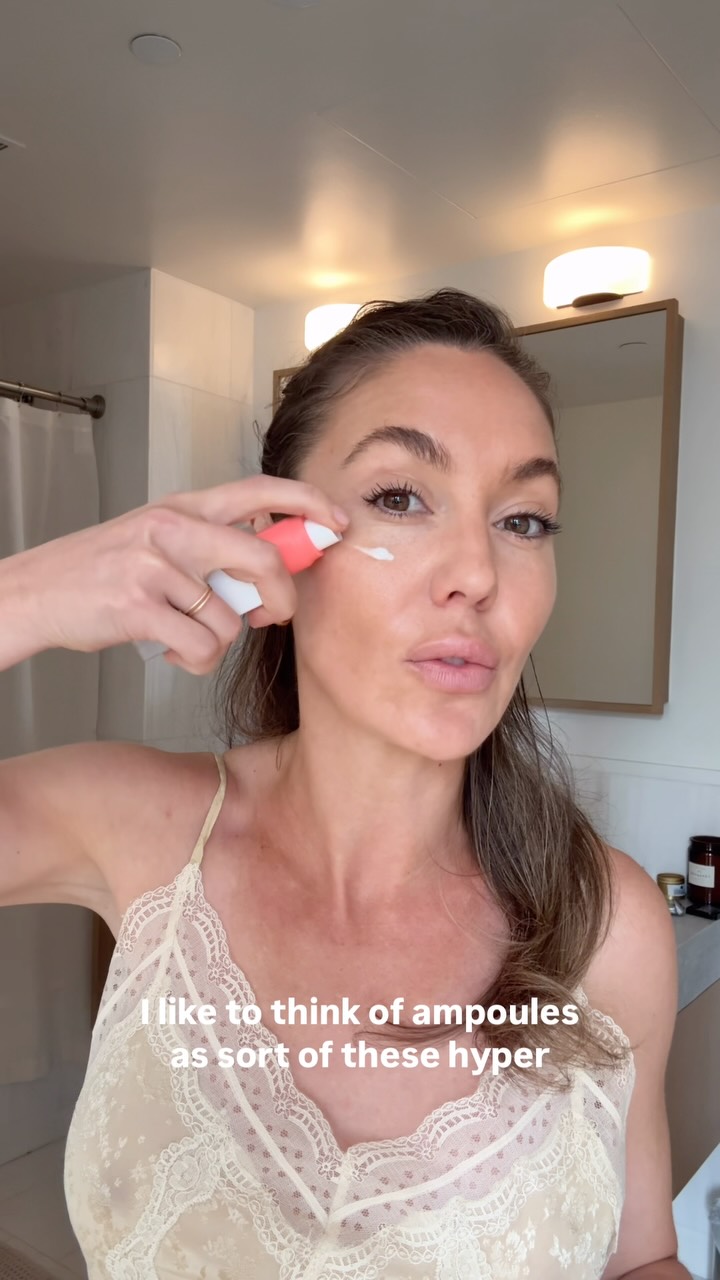
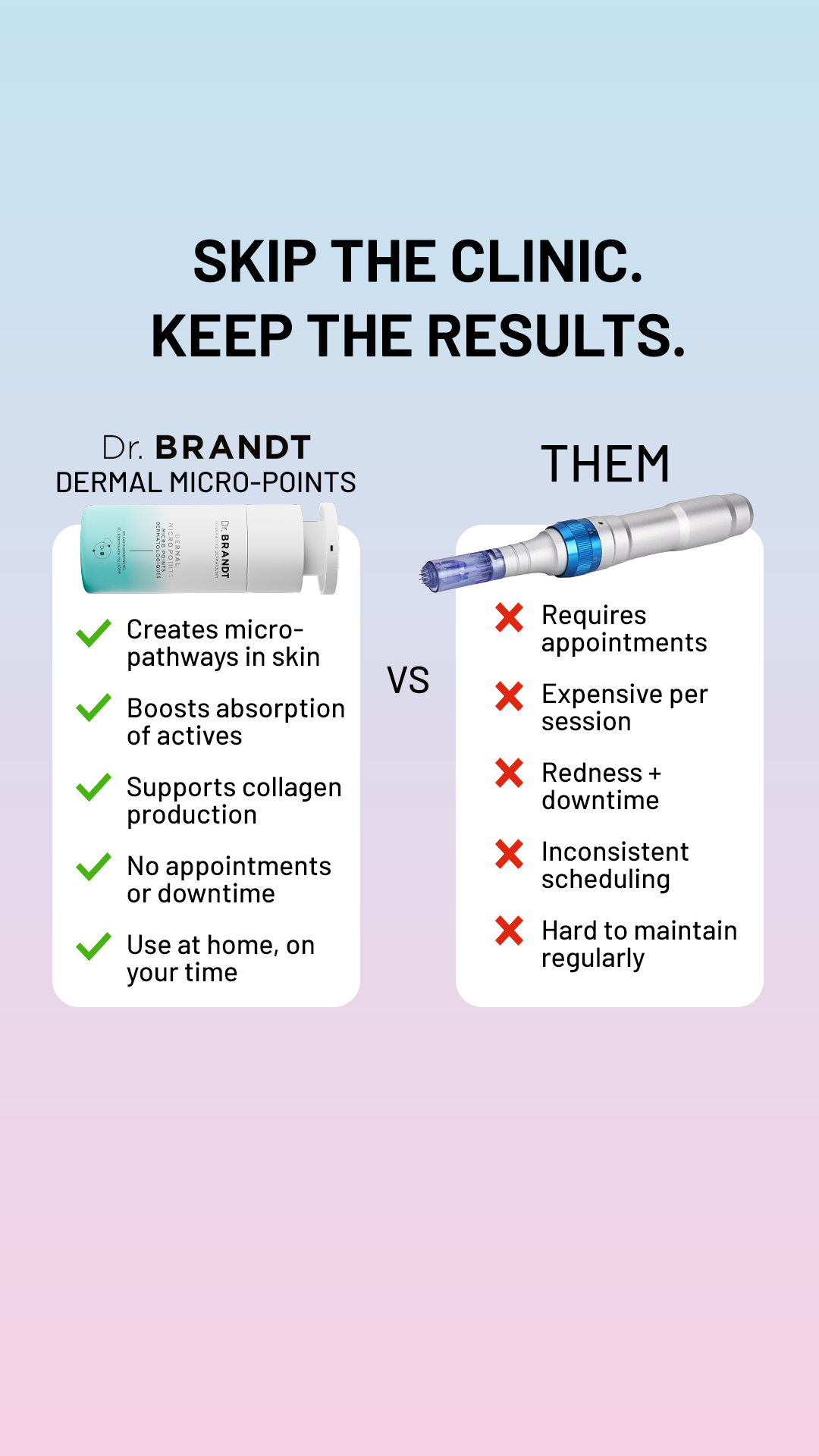
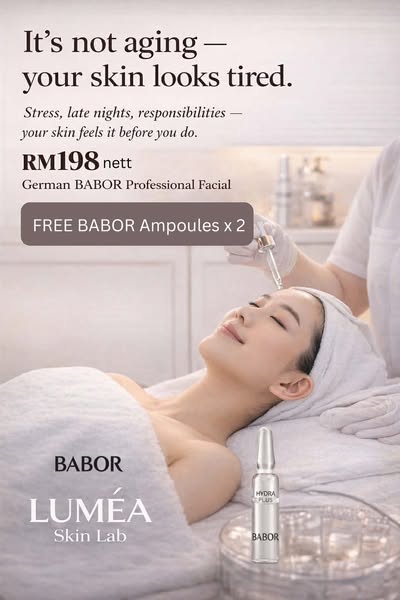
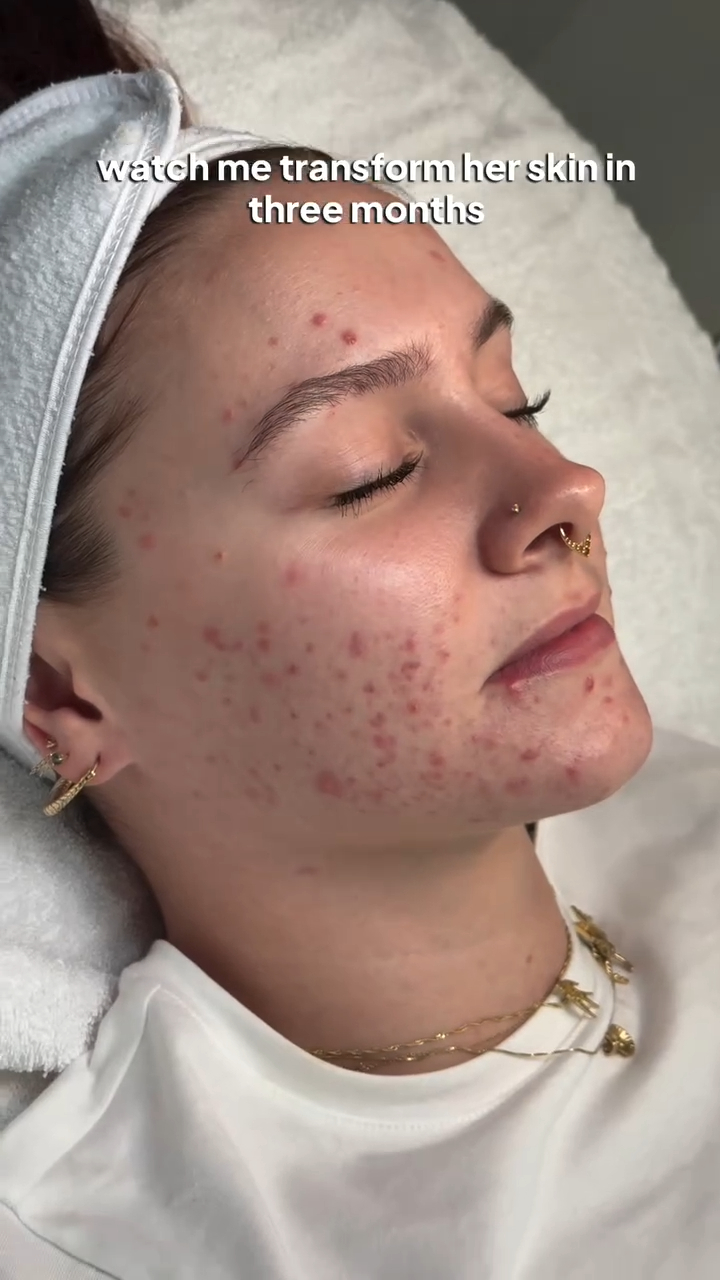
Live from BrandMov’s Skincare swipe cut — each of these is currently running on Meta as of the last weekly refresh. Browse the full skincare feed →
What the skincare Meta ad category actually looks like in 2026
Two macro shifts define the skincare ad landscape this year. First, TikTok’s ingredient literacy trickled up to Meta — the average buyer knows what niacinamide does, so ads that lead with a concentration outperform ads that lead with a benefit claim. Second, the 12-step routine narrative fractured. Buyers under 35 want fewer products, not more. Brands still selling the “stack a full regimen” story are watching CPAs climb.
The eight brands below are on the winning side of both shifts. They lead with a single ingredient, a single benefit, or a single distinctive angle — and they let the PDP do the rest of the work.
1. Bushbalm The founder-narrated ingredient story
Pattern: Founder POV × ingredient science
What it looks like: First-person to-camera video from the founder, holding the product, walking through one active ingredient (usually jojoba, tea tree, or salicylic acid) and the exact skin problem it solves. Bare wall backdrop. Under 45 seconds.
Why it works: Skincare buyers over-index on trust. The first two seconds of a founder's face carrying a bottle collapses the 'is this a real brand' question — and the ingredient explainer that follows does the education work most static ads punt on.
Worth stealing if: You sell a topical product with one hero ingredient. If your best-performing static already leans on the ingredient callout, the founder-video version usually clears static baseline by 30–60% in our watchlist sample.
See Bushbalm’s active Meta ads
2. Caldera Lab The men's-skincare rejection of women's-skincare tropes
Pattern: Category-critique × distinctive brand voice
What it looks like: Muted olive-and-black palette, one-line copy referencing skincare aisles ('The 12-step routine is a scam'), sculptural product photography. Zero smiling faces. Almost always static, almost always 4:5.
Why it works: Caldera's audience is the person who bounced off Sephora at 25 and never went back. The visual language refuses every women's-skincare cue — pastels, glow claims, celebrity founders — and that refusal IS the sales pitch.
Worth stealing if: You're launching into an incumbent-dominated aisle. The strongest opening move is often to name what the incumbents do wrong. Caldera's ad library is the reference class for a 'we're not them' brand — study the copy, not just the design.
See Caldera Lab’s active Meta ads
3. 111Skin The clinic-endorsement luxury play
Pattern: Practitioner social proof × treatment-adjacent framing
What it looks like: Studio product shots on marble, or a Harley Street-style clinic backdrop with a masked face-mask model. Copy references 'the Harley Street formula' or 'as used in-clinic.' Prices visible; discounts almost never.
Why it works: The luxury skincare buyer is not comparing 111Skin to another mask — they're comparing it to a facial they already didn't book. The clinic reference telegraphs that this bottle is a facial in shrunk-wrap. Discount rarely required.
Worth stealing if: Your product replaces a service (professional treatment, aesthetician visit, clinic procedure). The ad's job is not to sell the ingredient — it's to remind the buyer of the treatment they've been putting off.
4. Bali Body The seasonal urgency skincare-adjacent brand
Pattern: Holiday / seasonal peg × single-line body copy
What it looks like: Golden-hour beach photography, product-in-hand, one crisp line ('Get holiday-ready in 3 days' / 'The tan that lasts through New Year's'). Video variants are almost always UGC-style creator handshake.
Why it works: Tanners and glow products live and die on 'when' — the buyer is not shopping year-round. Baking a specific occasion into the first frame turns 'nice to have' into 'need this by Friday.'
Worth stealing if: Your category has strong seasonal peaks (Christmas parties, spring break, wedding season, festival). Pin the ad to the calendar, not the ingredient — the ingredient is what they'll read on the PDP.
See Bali Body’s active Meta ads
5. Frownies The before/after that predates the category
Pattern: Direct-response before/after × generational credibility
What it looks like: Split-screen before/after with a subtle 'X weeks in' timer, or a testimonial video from a real customer over 40 speaking to camera. Almost always still image or minimally-edited UGC.
Why it works: Frownies has run before/after since ~1889 — the format works because the visual proof is unmistakable. In a category (topical patches, wrinkle care) where the promise is easy to over-claim, the split-screen is the argument that skips the copywriting.
Worth stealing if: Your product produces a visible change in fewer than 90 days. Meta's ad review will let you show authentic before/after with a real customer if you avoid retouching. Most brands avoid the format because it's dated. That's exactly why it works.
See Frownies’s active Meta ads
6. Bask and Lather The hair-scalp bridge play
Pattern: Ingredient-forward UGC × 'shed' visual proof
What it looks like: Creator holds product, walks through a scalp routine, then shows a comb-through 'shed' pull to demonstrate hair retention. Copy overlays call out biotin, rosemary, or castor oil. Sub-30-second Reel edits.
Why it works: Hair-loss and scalp health are quiet epidemics that skincare-first brands have been slow to serve. Bask and Lather's ads position hair as skin's continuation — the visual grammar borrows from skincare (ingredient callout, before/after) but attacks a search intent skincare brands don't own.
Worth stealing if: You sit adjacent to a large category with distinct search intent. Borrowing the visual grammar of the adjacent category (skincare) while owning the underserved intent (scalp) compresses education time.
See Bask and Lather’s active Meta ads
7. By Rosie Jane The instant-mood angle
Pattern: Emotional benefit × two-word product tag
What it looks like: Warm-toned lifestyle photography with a two-word tag ('instant good mood') hanging over the product. Almost never mentions the ingredient. Sub-15-second Reels for repeat exposure, static for cold interest.
Why it works: Fragrance-adjacent skincare cannot win on ingredient copy — everything smells like something these days. The ad works when it borrows the language of the feeling the buyer wants to walk into, not the smell they'll actually get.
Worth stealing if: Your product's value is emotional (mood, calm, focus, sleep) rather than functional. Compress the whole ad to the feeling, not the mechanism. The bottle in-hand does the SKU disambiguation.
See By Rosie Jane’s active Meta ads
8. Avoskin The regional-DTC ingredient story going global
Pattern: Country-of-origin credibility × concentration callouts
What it looks like: Product-in-hand macro shots on textured surfaces. Copy leans on 'Indonesian botanical extract' or specific concentrations ('10% niacinamide'). Static-first, video secondary. Rare discount framing.
Why it works: K-beauty made regional country-of-origin a proxy for ingredient credibility. Avoskin follows the same playbook for Indonesian botanicals. Buyers who bought The Ordinary's ingredient-first pitch respond to this framing without needing translation.
Worth stealing if: Your brand story includes a specific regional ingredient sourcing angle. Skip the general 'clean beauty' language — that ship sailed. Name the country, name the plant, name the concentration.
The common threads
Reading across all eight teardowns, three patterns repeat regardless of price point, audience, or product form:
- The first frame answers “what is this?” not “who is this for?” The buyer decides in under two seconds whether the ad is worth watching. Cold traffic doesn’t know your positioning yet, so the visual has to disambiguate the product category first — then the copy can do the segmentation.
- One angle, not a benefit stack. Every winning ad in this list leans on ONE claim: an ingredient, a treatment reference, a season, a mood. The multi-benefit skincare ad is a legacy pattern that hasn’t cleared thresholds in our swipe cut for over a year.
- The pack shot appears late. Frownies opens with the split-screen, not the bottle. Bushbalm opens with the founder holding the ingredient conceptually, not the SKU. The bottle appears when the buyer is already committed to watching — a pattern static ads can borrow by putting the pack shot bottom-right, not center.
How to actually use this list
Don’t clone. Every ad in this teardown was optimized for a specific brand’s audience over months of iteration — the exact copy won’t transfer. What transfers is the pattern: the founder-POV structure, the seasonal peg, the category-critique voice. Pick the one closest to your brand’s positioning, adapt the format to your product, ship three variants, and let the data pick the winner.
The full swipe file has 3,800+ brands and thousands of ads tagged by hook and angle — the eight above are the current picks for skincare specifically. When you want more:
Filter the swipe file by sector, hook, angle, or country. Every winning creative is re-checked weekly and flagged only when the editorial score clears our curation bar. Open the swipe file →